LED Strip Lights
Our LED strip lights cover every application from kitchen under-cabinet lighting to bedroom mood lighting and outdoor garden installations. You'll find warm white (2700K to 3000K), cool white (4000K to 6000K), RGB colour-changing, RGBW, and COB dotless strips, all priced per metre or available as complete kits.
If you need a driver, controller, aluminium profile or connectors to go with your strip, we stock the full range of LED strip accessories and LED drivers too. Free UK delivery on orders over £50.
... Read More- Featured
- Most relevant
- Best selling
- Alphabetically, A-Z
- Alphabetically, Z-A
- Price, low to high
- Price, high to low
- Date, old to new
- Date, new to old
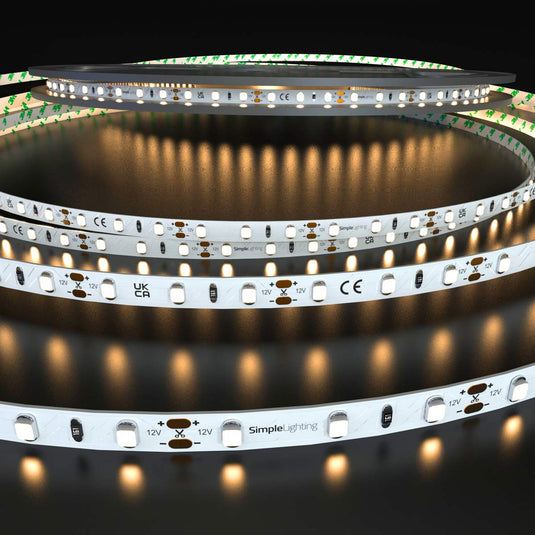
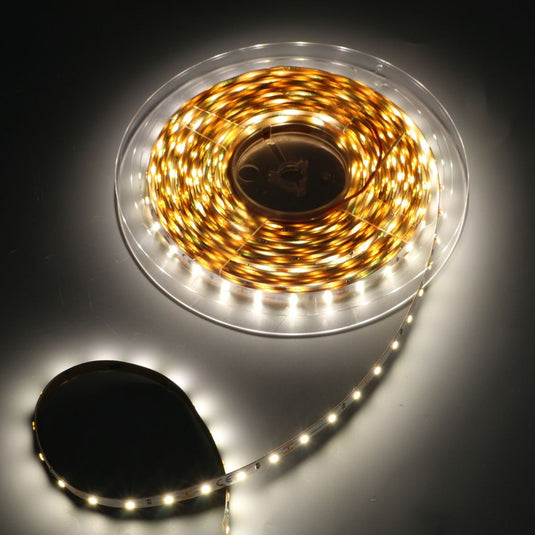
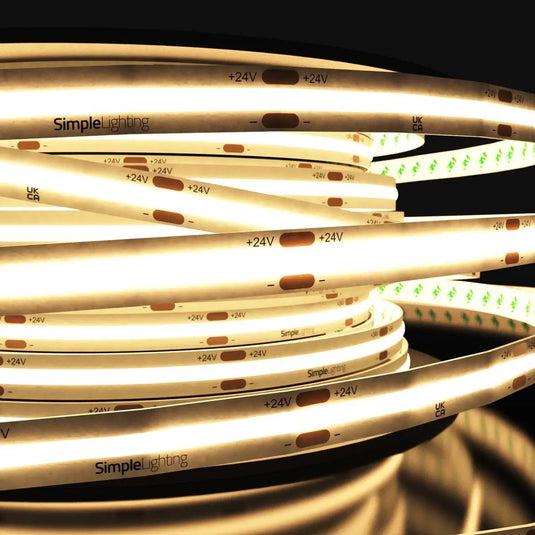
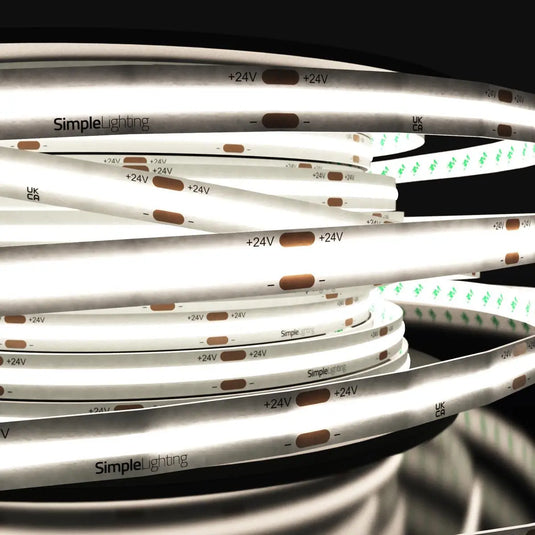
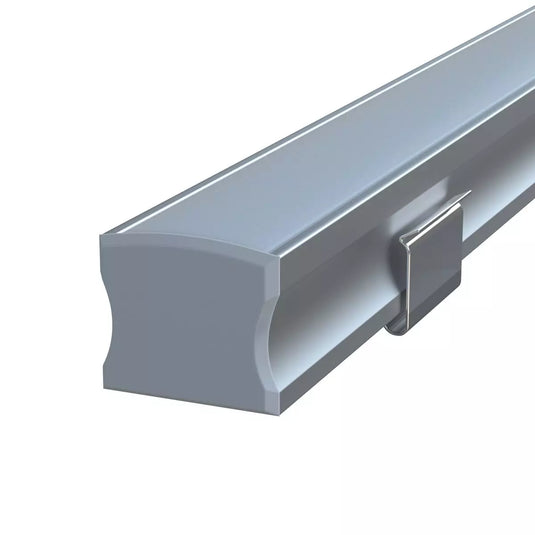
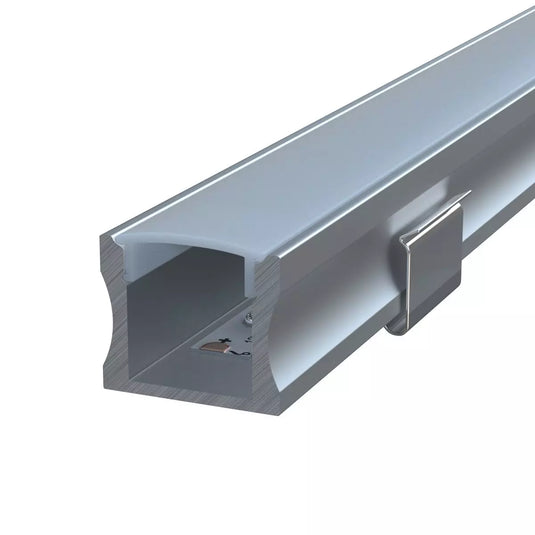
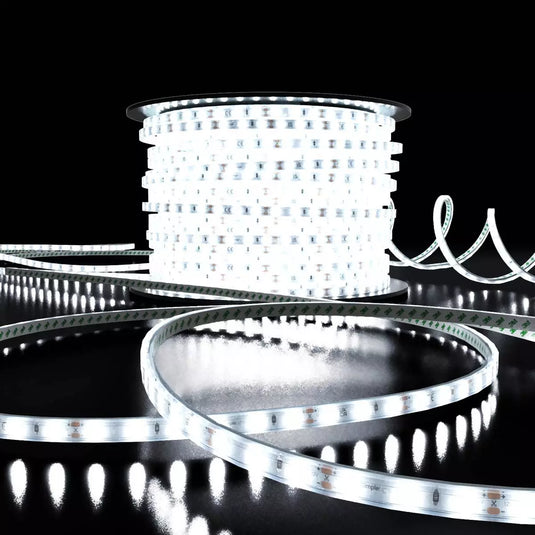
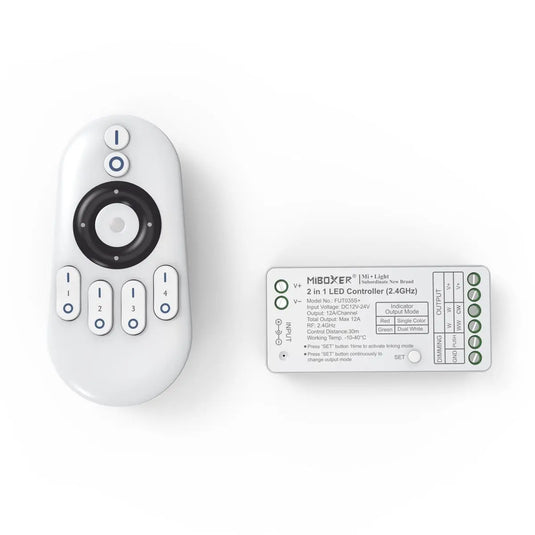
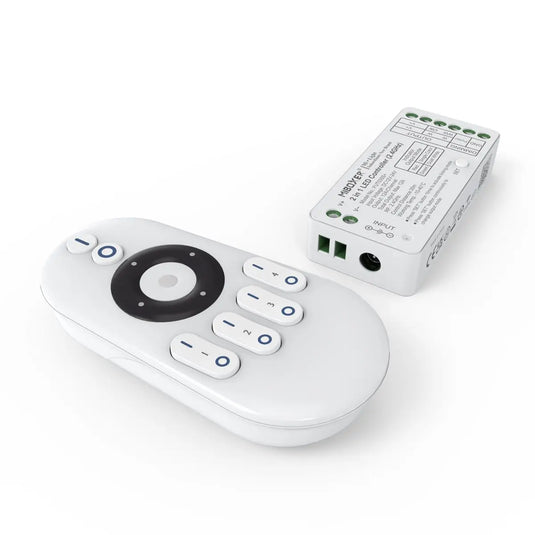
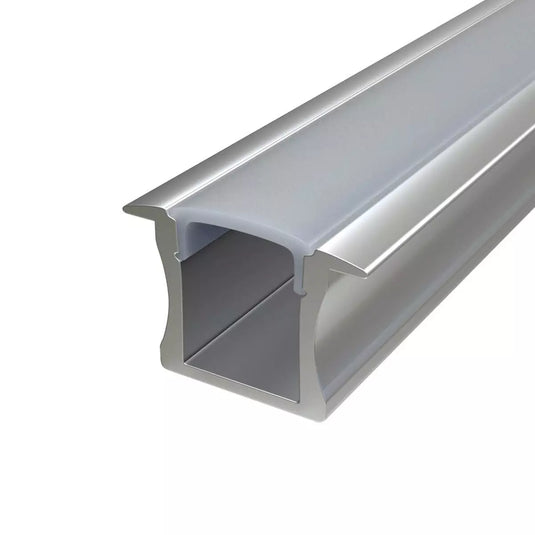
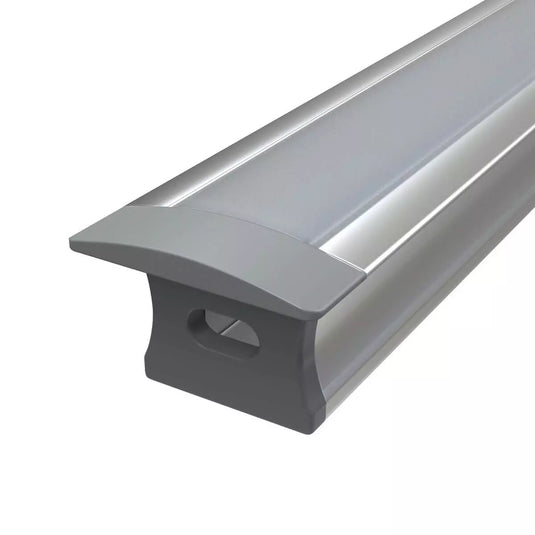

LED Strip Lights by Type
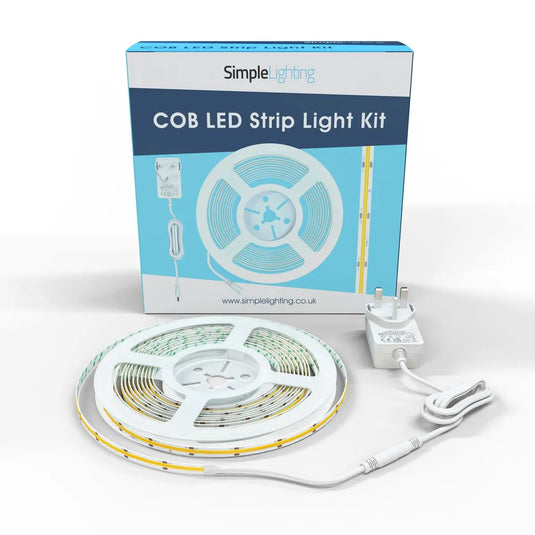
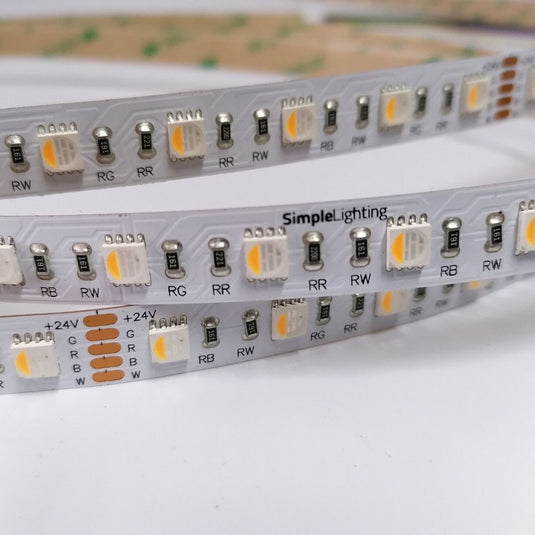
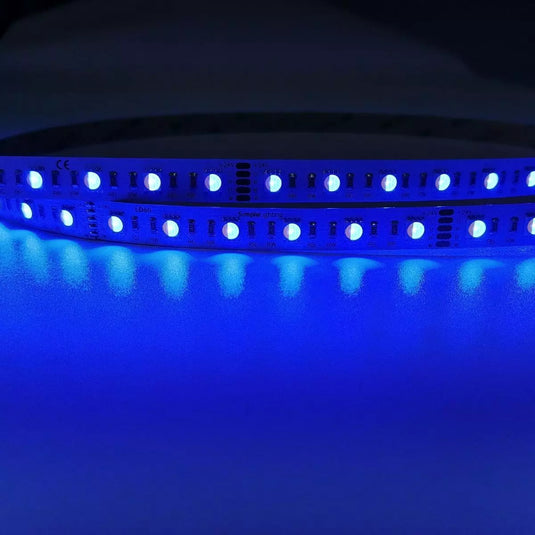
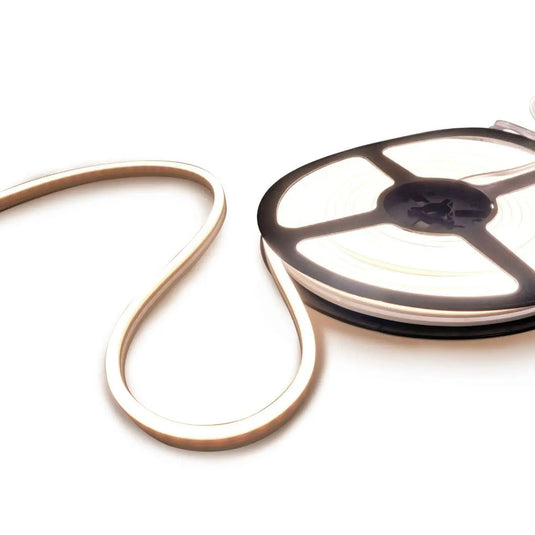
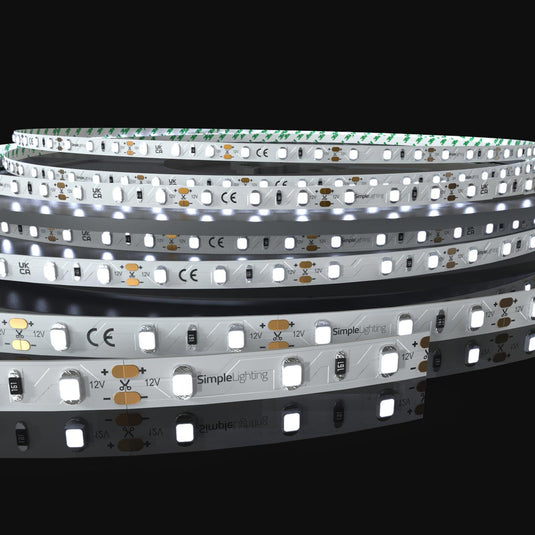
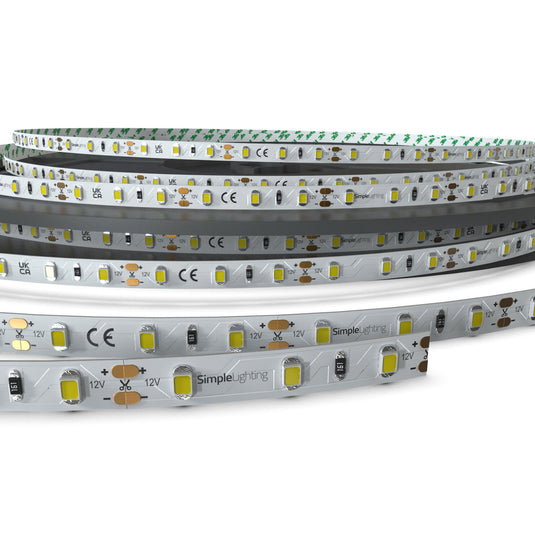
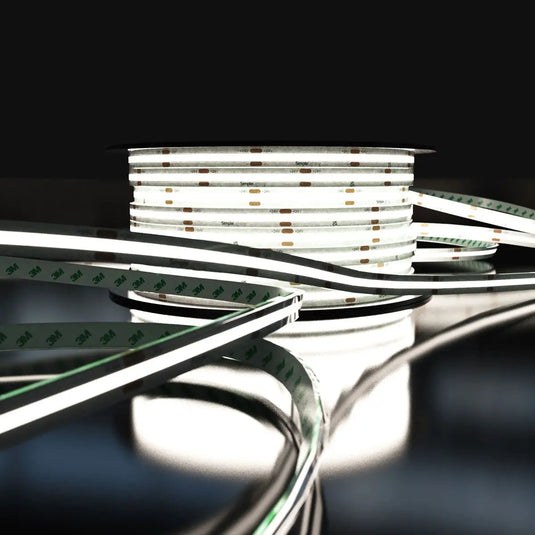
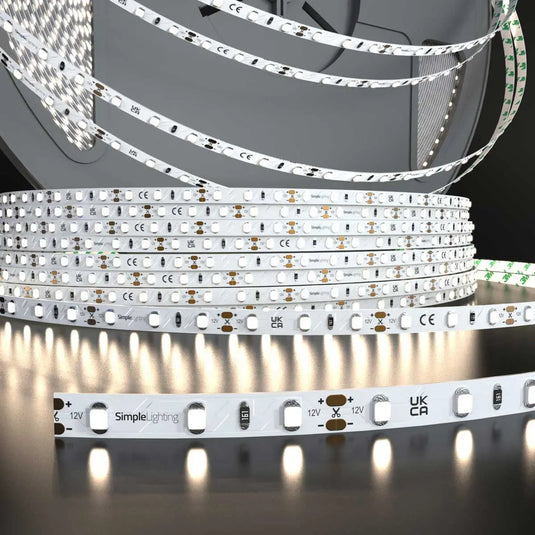
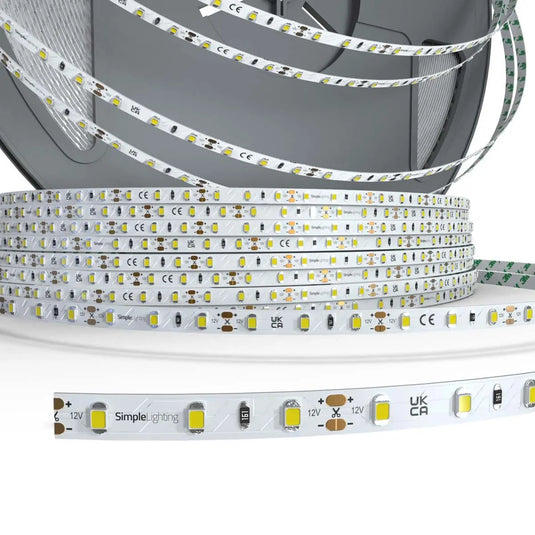
We stock a broad selection of strip lights to suit different outputs, colour temperatures and environments. Single-colour strips in warm white (3000K), natural white (4000K) and cool white (6000K) are the most popular choice for kitchens, hallways and utility spaces. RGB strips give you full colour control via remote or smart app. RGBW adds a dedicated white channel so you get cleaner whites alongside the colour modes. COB strips are dotless, meaning the light output is smooth and continuous with no visible hotspots, which makes them particularly good for aluminium profiles and display lighting.
We also carry IP65 and IP67 rated waterproof strips for outdoor or wet area use, and mains voltage tape options for longer runs where voltage drop is a concern on standard 12V or 24V DC installations.
LED Strip Lights for Ceilings
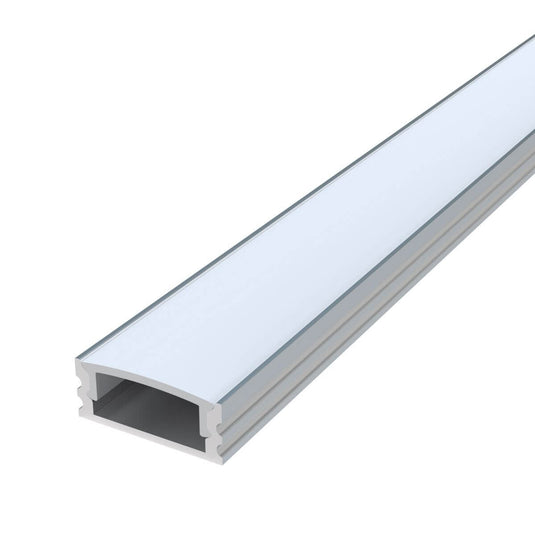
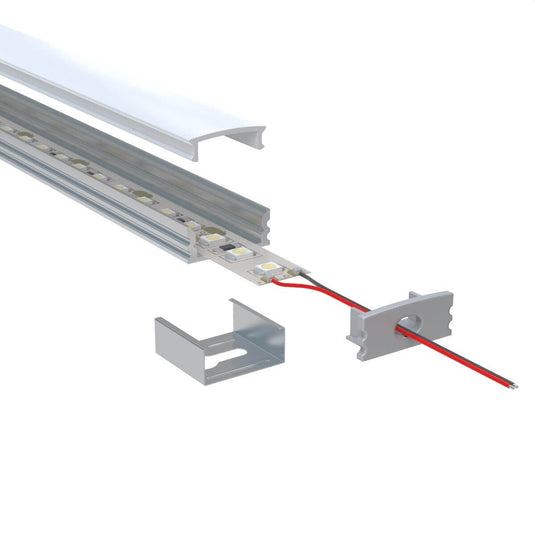
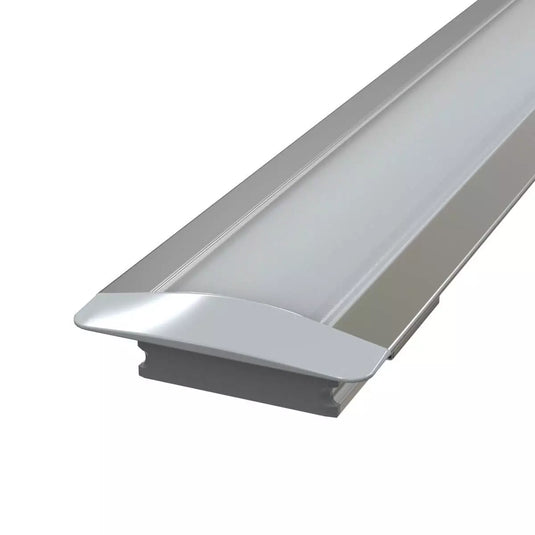
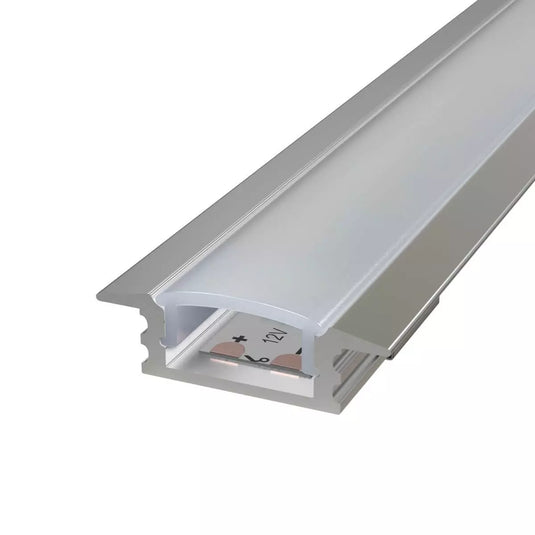
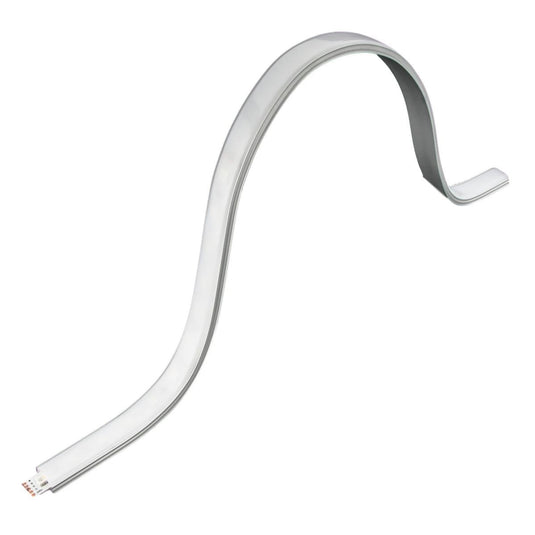
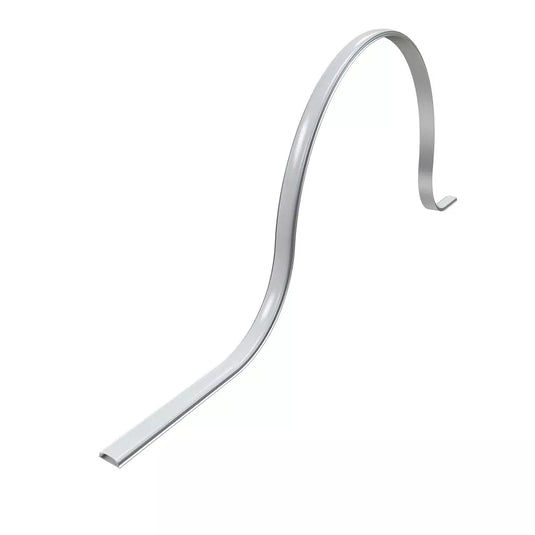
Ceiling installations are one of the most common uses for LED strip lighting. Strips run along coves, cornices, bulkheads and suspended ceiling details to create indirect lighting that softens shadows and adds depth to a room. For a clean finish, fit the strip inside an aluminium LED profile with a diffuser cover. This spreads the light evenly and protects the strip from dust and knocks.
Our blog article on placing LED strip lights on the ceiling covers the practicalities in more detail if you're planning a cove or perimeter lighting installation.
LED Strip Lights for Kitchens
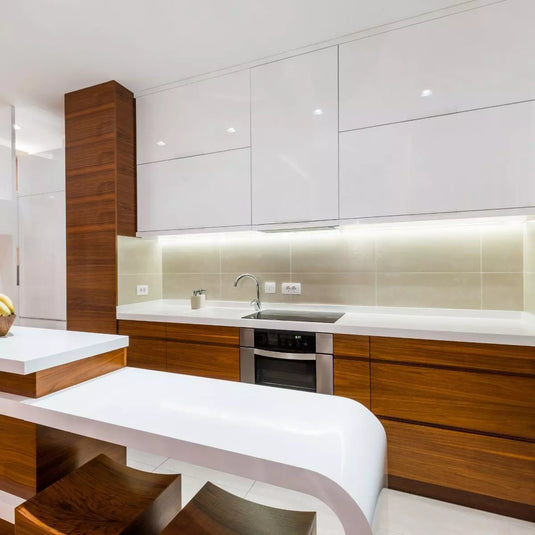
Under-cabinet strip lighting is the most practical kitchen upgrade you can do. A warm white (3000K) or natural white (4000K) strip fitted beneath wall units gives you directed task lighting over the worktop without glare. For kitchen use, we'd suggest a strip rated at 8 to 10 watts per metre for adequate brightness, and an IP20 or IP44 strip depending on how close it sits to a sink or hob.
Take a look at our under cabinet lighting collection if you're after plug-and-play LED bars as an alternative to strip tape. For more kitchen ideas, our article on where to install LED strip lights in a kitchen is worth a read.
Outdoor LED Strip Lights
For outdoor use you need a strip with at least an IP65 rating, which means it's protected against dust ingress and water jets. IP67 strips go further, with full submersion protection up to 1 metre for 30 minutes. Our waterproof strips run on 12V or 24V DC and can be used for garden perimeter lighting, patio uplighting, decking details and facade illumination.
Always pair an outdoor strip with a weatherproof driver rated to the same IP level, and keep connections inside a suitable enclosure. For broader outdoor ideas, browse our outdoor lighting range.
Choosing the Right LED Strip Light
Voltage matters first. Most domestic strips run on 12V DC, which suits shorter runs up to around 5 metres before voltage drop becomes an issue. For longer runs, choose a 24V strip or use a higher-wattage driver with a suitable cable gauge. Check our LED driver guide if you're unsure what driver to pair with your strip.
Wattage per metre determines brightness. A 5 watt per metre strip gives a gentle ambient glow. A 10 to 15 watt per metre strip delivers enough output for task lighting or accentuating architectural features. Colour rendering index (CRI) is worth checking if accurate colour is important. Our COB strips carry a CRI of over 90, which is noticeably better than standard strips at 80 or below.
Strip length comes in 5 metre reels as standard, with 10 metre and 20 metre options available. All strips can be cut at the marked cut points, which are spaced every 50mm or 100mm depending on the LED density. You can join cut lengths back together using compatible connectors. For a complete installation guide, see our article on installing LED strip lights.
LED Strip Light Kits
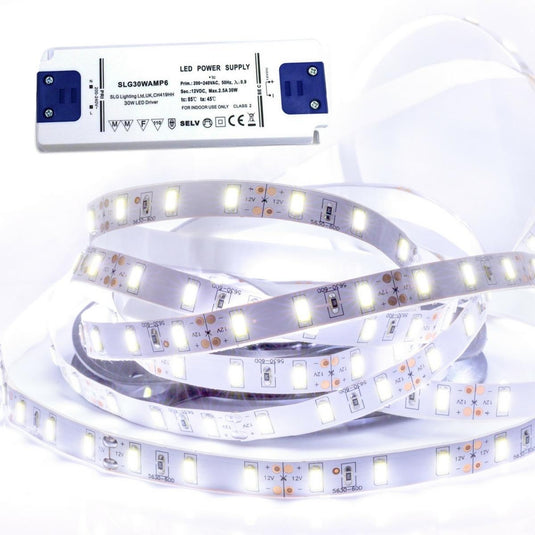
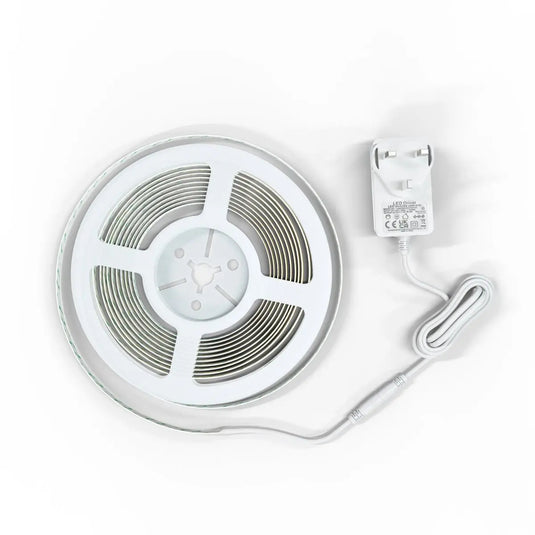
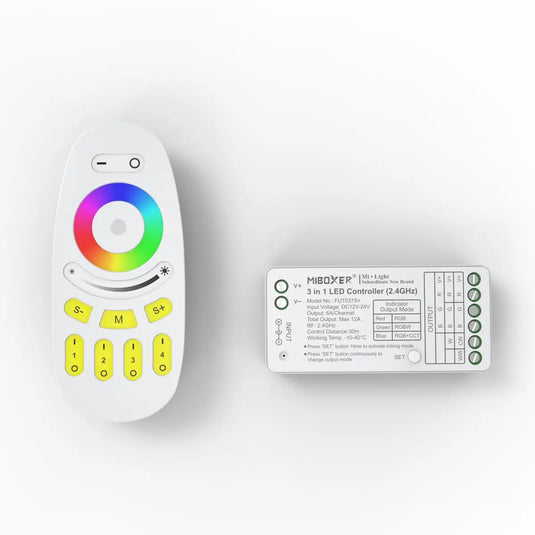
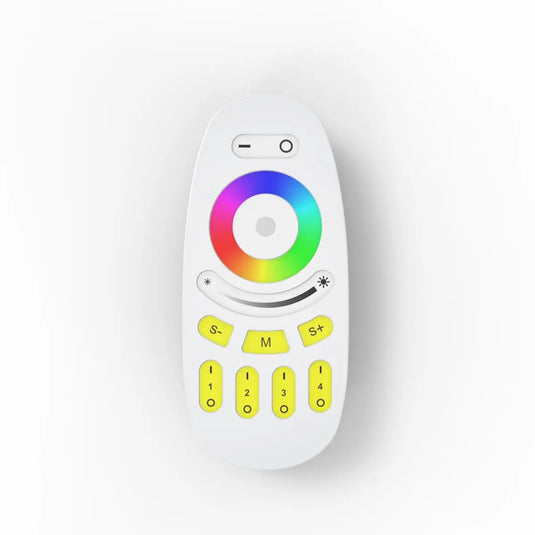
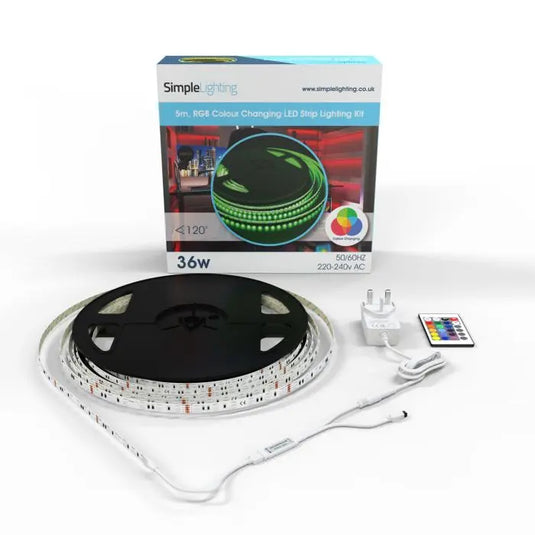
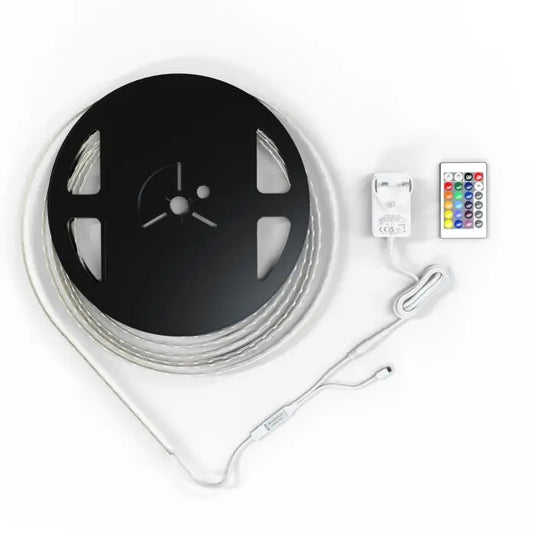
If you want everything in one box, our LED strip light kits include the strip, driver and connectors ready to go. The 5 metre COB and 120-LED kits with plug-in power supplies are popular for DIY installs where you don't want to hardwire a driver. RGB kits come with a controller and remote included.
Frequently Asked Questions
Where do you cut LED strip lights?
LED strip lights can only be cut at the designated cut points marked along the strip, usually indicated by a scissor symbol or a set of copper pads. These are spaced at regular intervals, typically every 50mm or 100mm depending on the LED density. Cutting anywhere else will break the circuit and that section won't work. Our guide to cutting LED strip lights covers the process step by step.
What voltage are LED strip lights?
Most domestic LED strip lights run on 12V or 24V DC, supplied by a separate LED driver. Mains voltage (240V) strips are also available for longer continuous runs where voltage drop on low-voltage systems is a problem. Always match the strip voltage to the driver output rating. Running a 12V strip from a 24V driver will damage it.
How do you install LED strip lights on a ceiling?
Clean the surface thoroughly before you start. Peel the adhesive backing and press the strip firmly into place along your chosen line. For cove or coffer installations, fitting the strip inside an aluminium LED profile gives a much cleaner result and protects the strip. Connect to a compatible 12V or 24V LED driver rated above the total wattage of the strip run.
Can LED strip lights be used outdoors?
Yes, but you must use a strip with an appropriate IP rating. IP65 is the minimum for outdoor use, offering protection against dust and water jets. IP67 strips can handle temporary submersion and are suitable for ground-level or decking applications. Always use an outdoor-rated driver and weatherproof all connections.
What is the difference between RGB and RGBW LED strip lights?
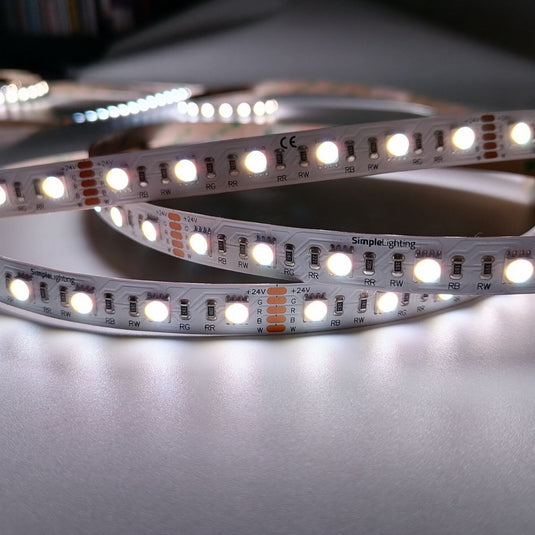
RGB strips use red, green and blue LEDs combined to produce a range of colours. When all three are at full power they produce a warm white, but it tends to look slightly tinted. RGBW strips add a dedicated white LED to the mix, which produces a cleaner, more neutral white. If you want accurate white light as well as colour modes, RGBW is the better choice.