Ceiling Spotlights
Our LED ceiling spotlights cover everything from adjustable directional fittings to fixed flush spots and multi-head spotlight bars. Whether you're lighting a kitchen worktop, a bathroom zone, or an open-plan living room, you'll find the right fitting here.
Every spotlight in this collection is LED, so you're getting better light output and lower running costs compared to older halogen fittings. Available in brushed chrome, polished chrome, matt black, and white finishes to suit any interior. If you need recessed options, take a look at our LED downlights collection too.
... Read More- Featured
- Most relevant
- Best selling
- Alphabetically, A-Z
- Alphabetically, Z-A
- Price, low to high
- Price, high to low
- Date, old to new
- Date, new to old
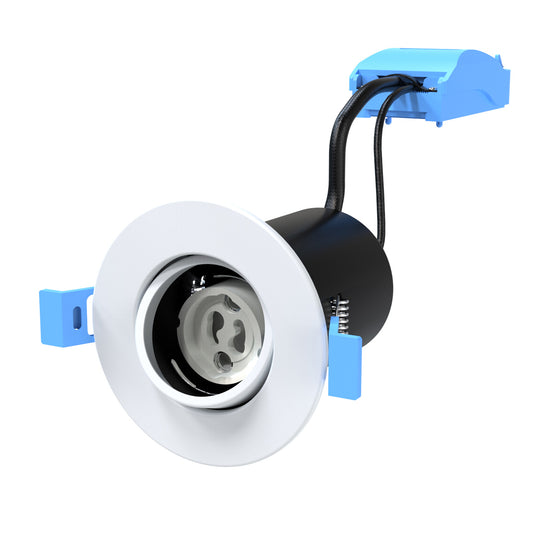
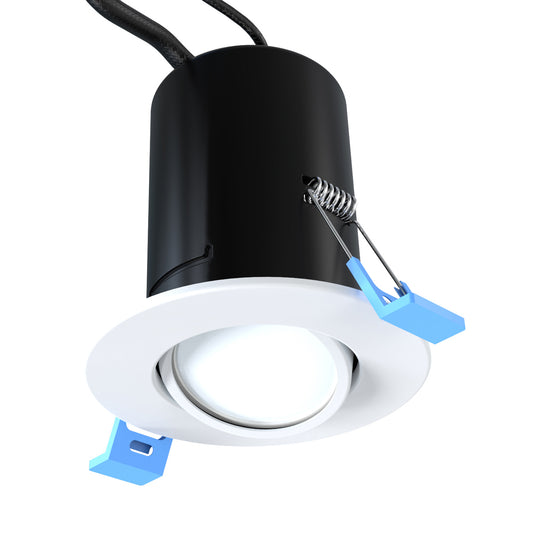
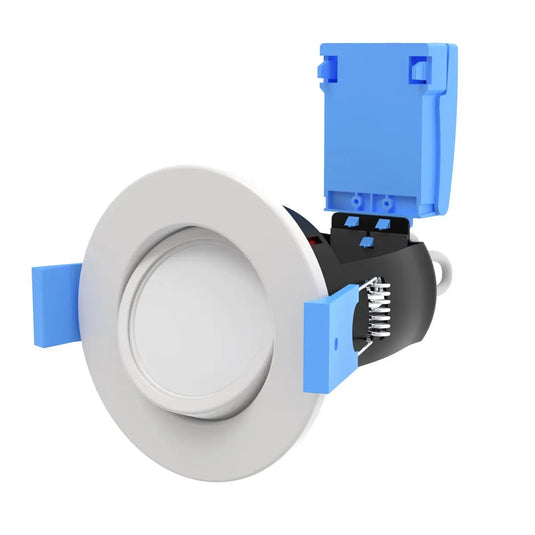
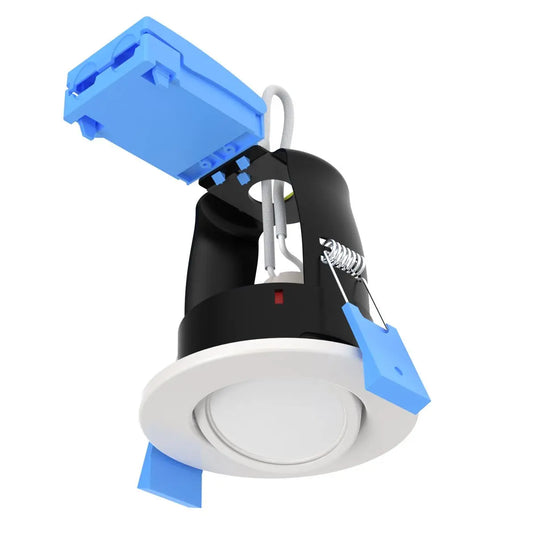
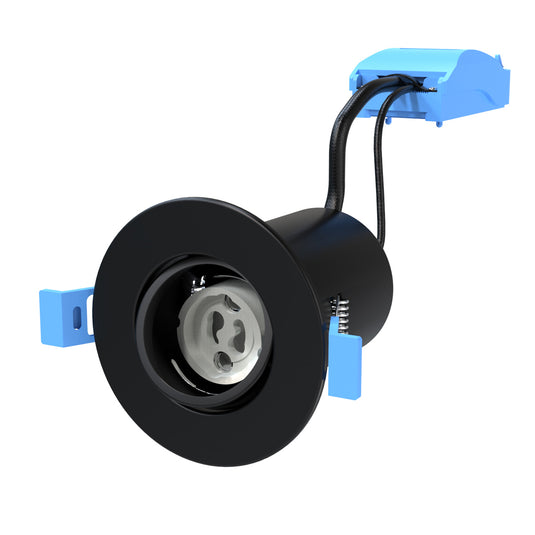
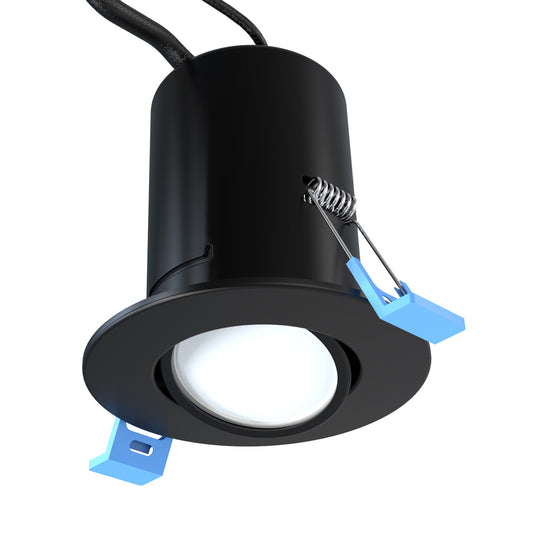
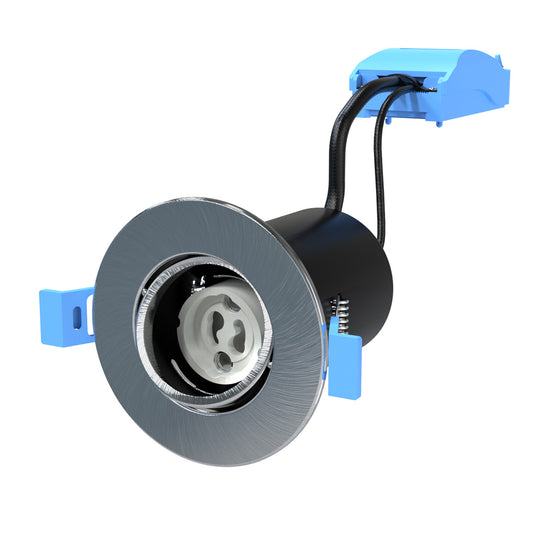
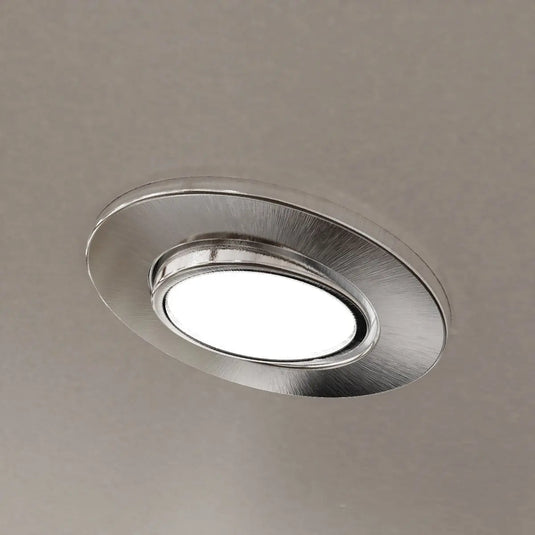
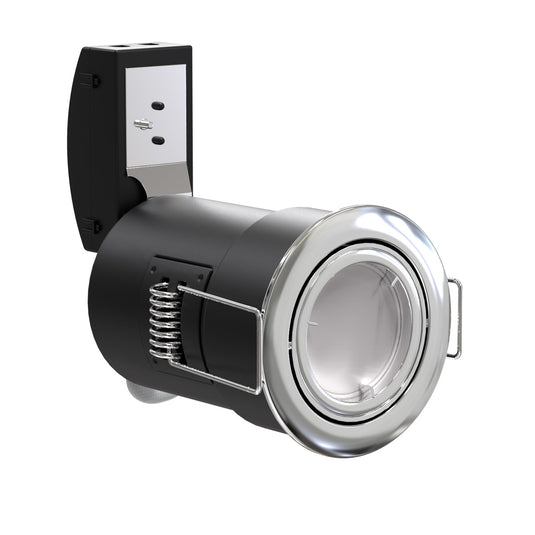
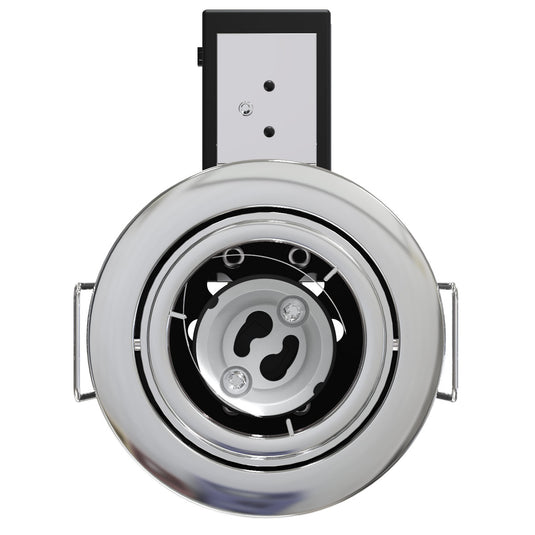
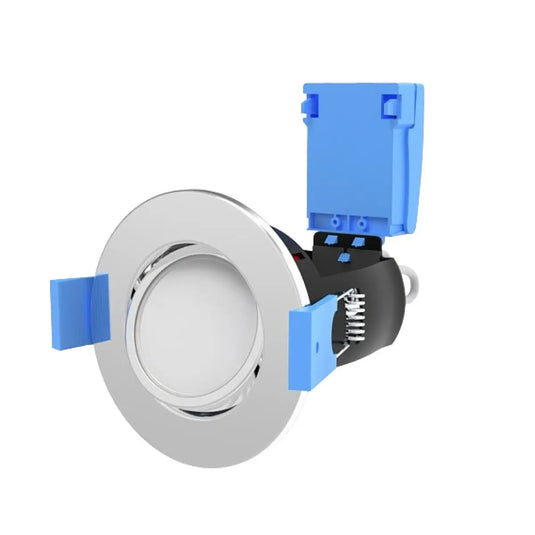
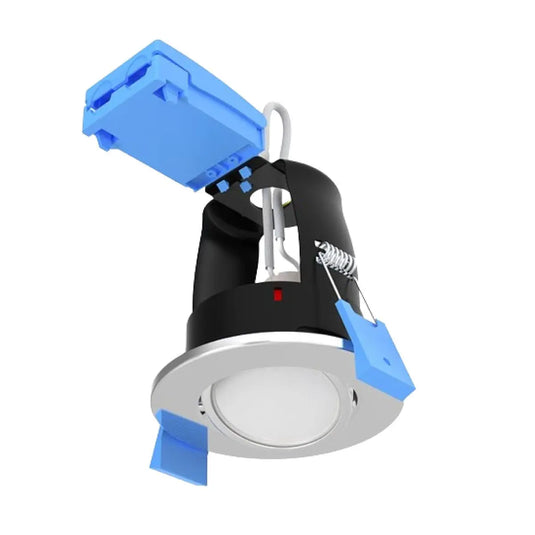
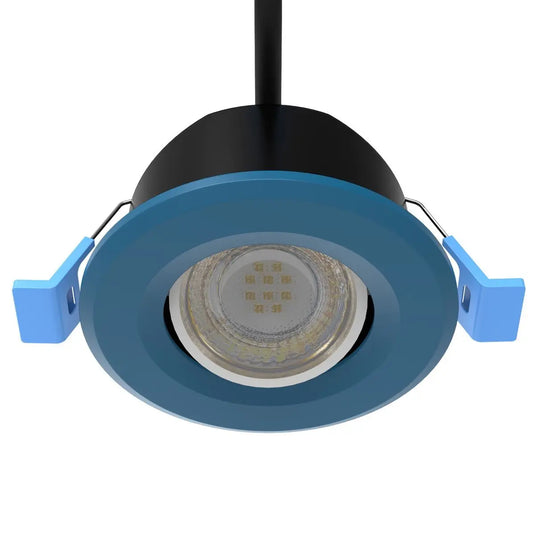
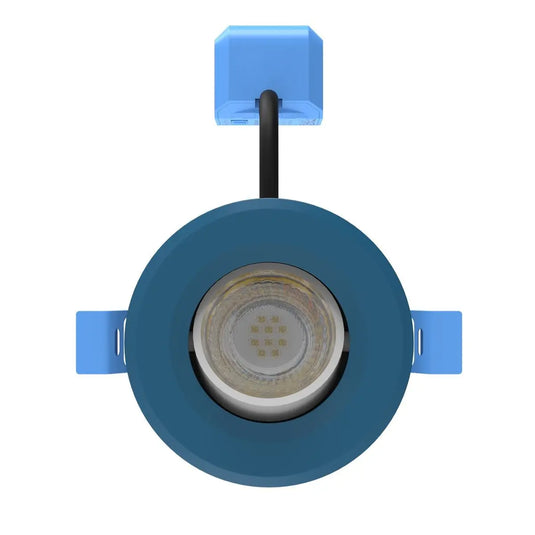
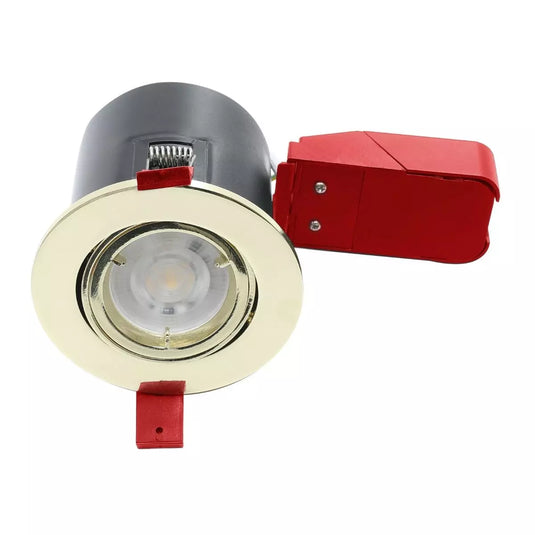
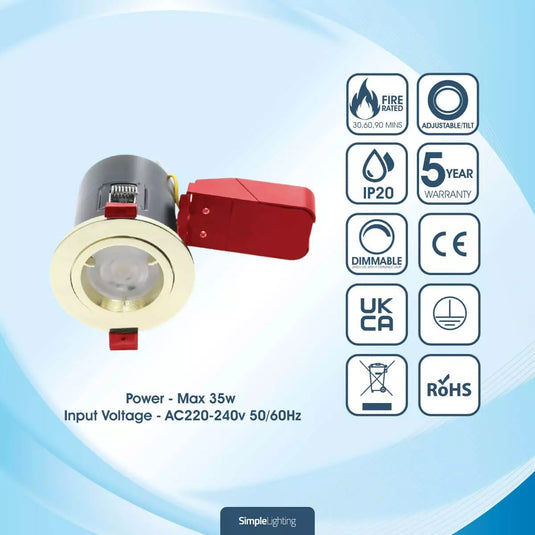
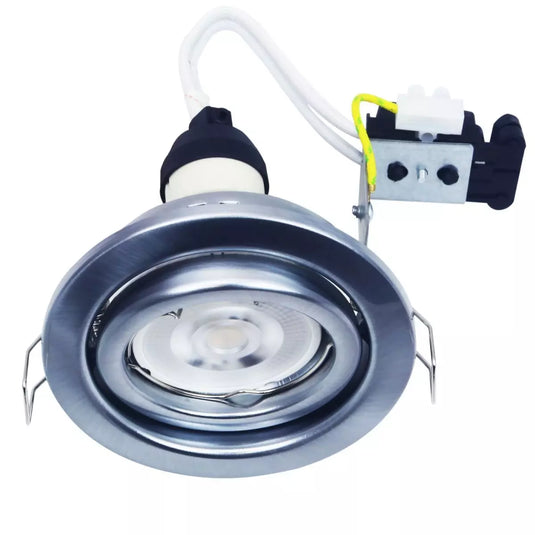
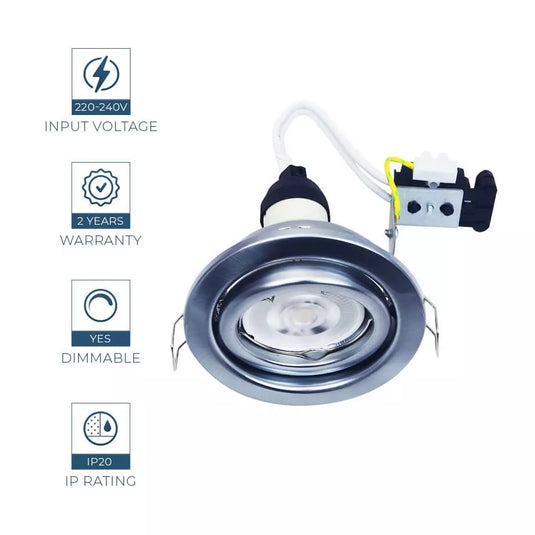
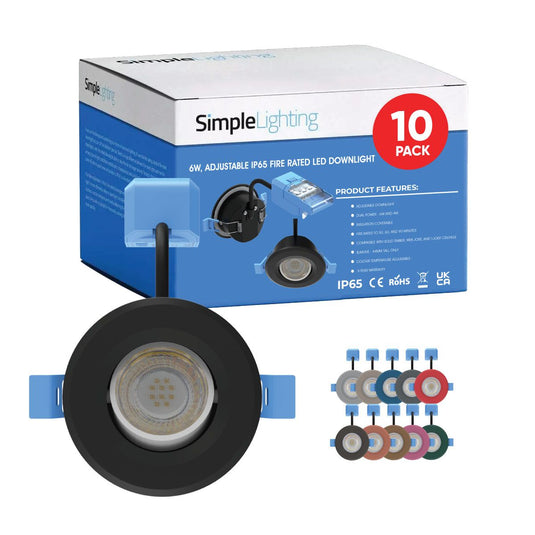
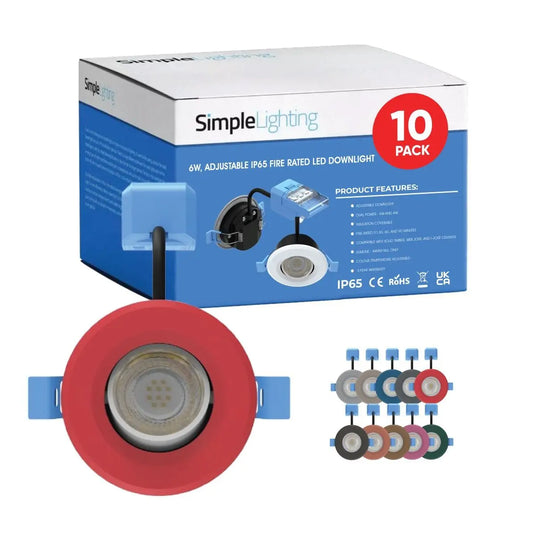
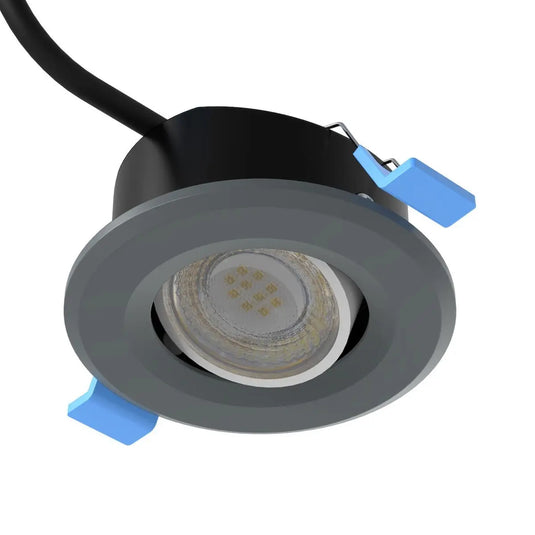
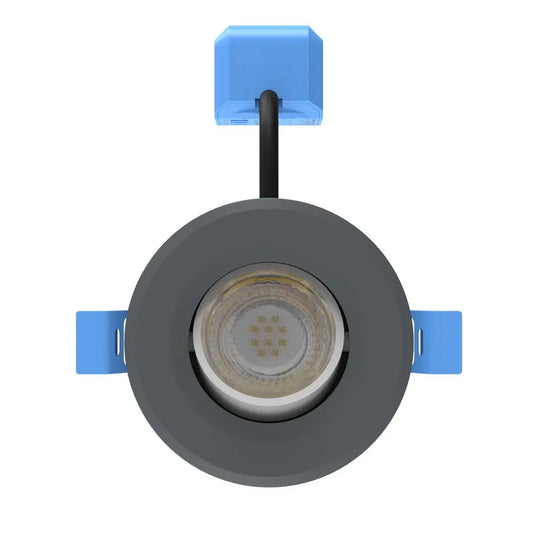
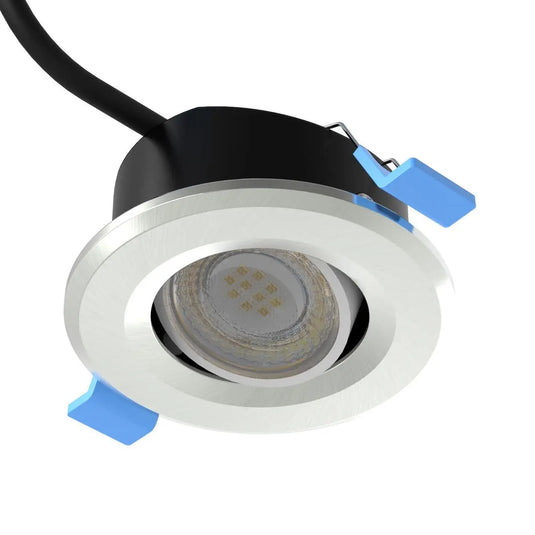
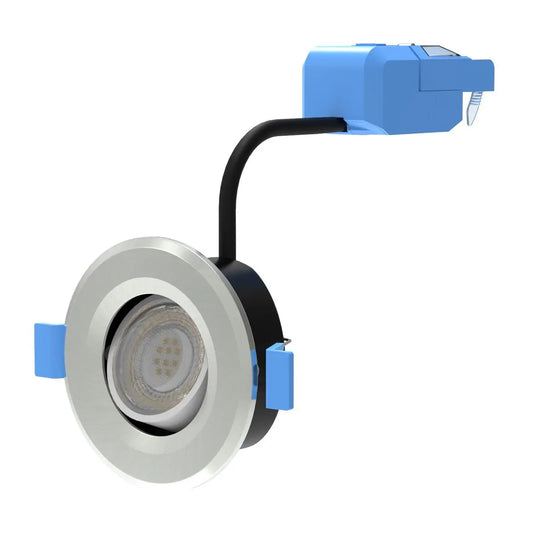
Types of Ceiling Spotlights
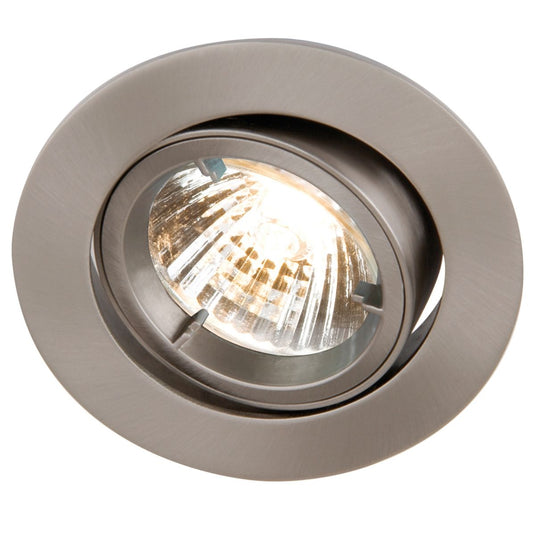
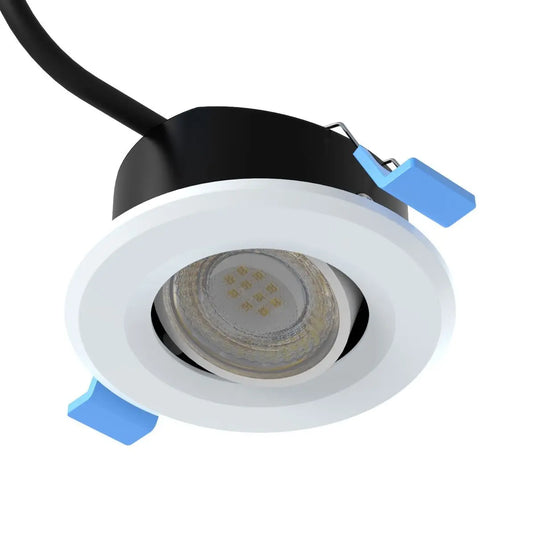
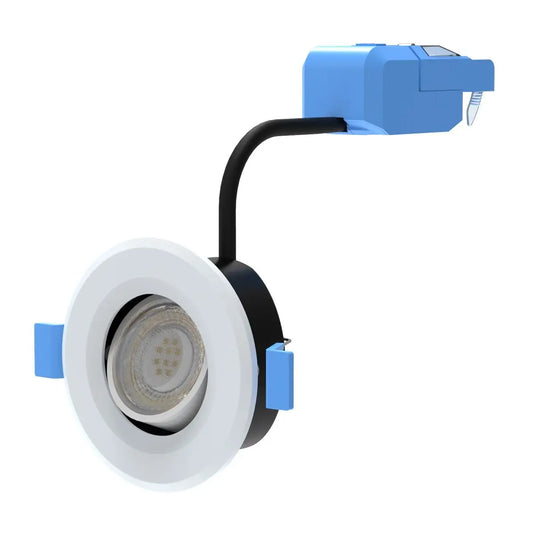
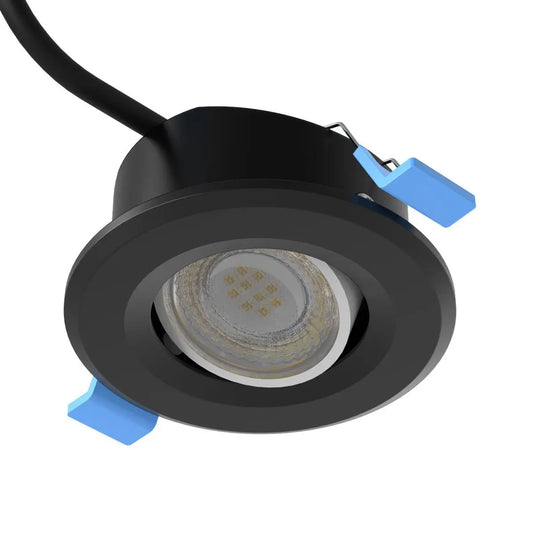
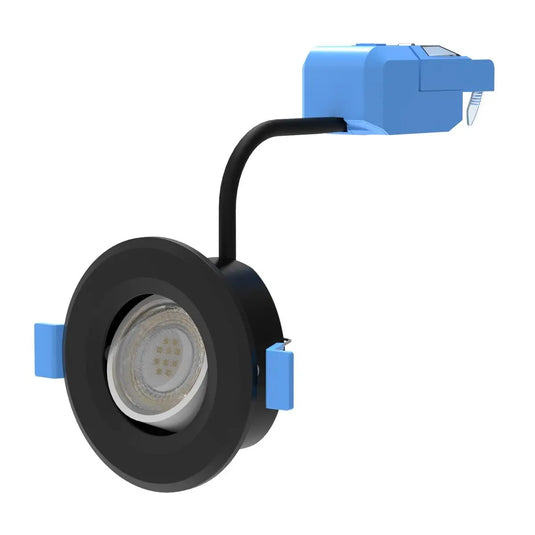
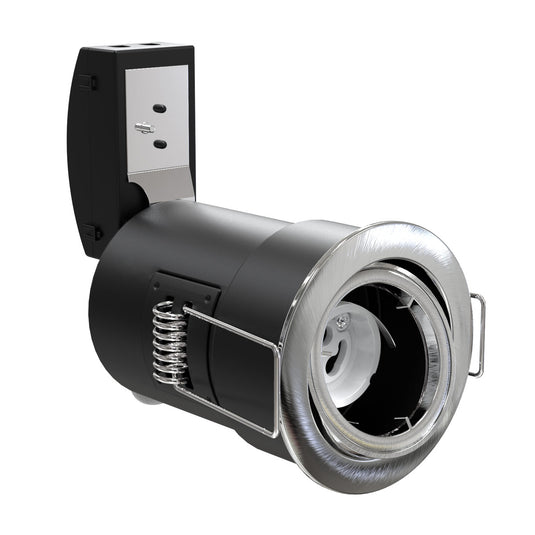
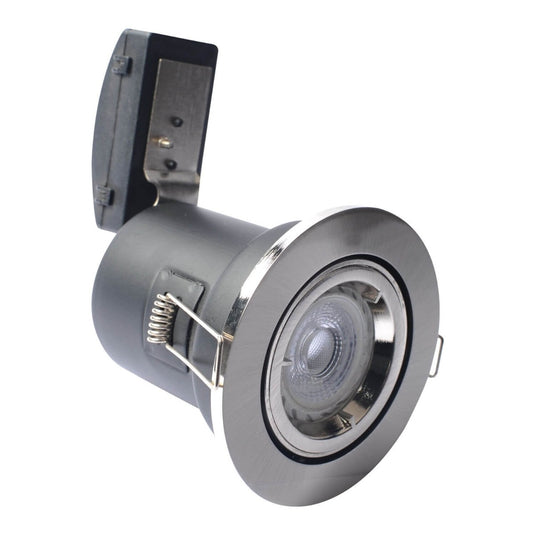
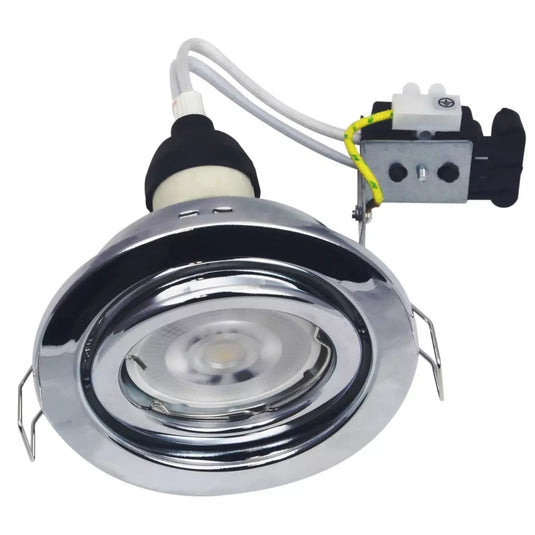
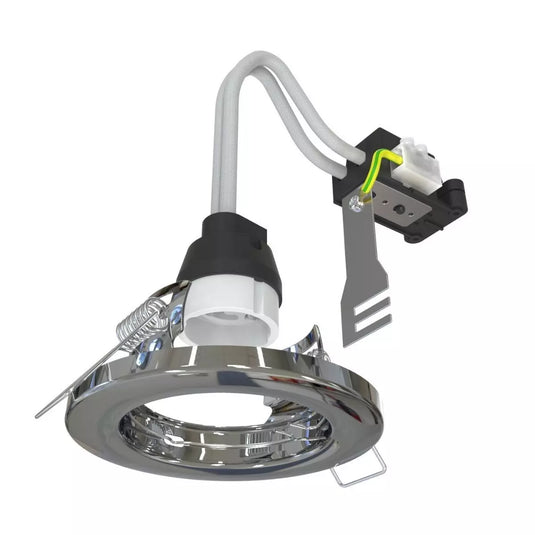
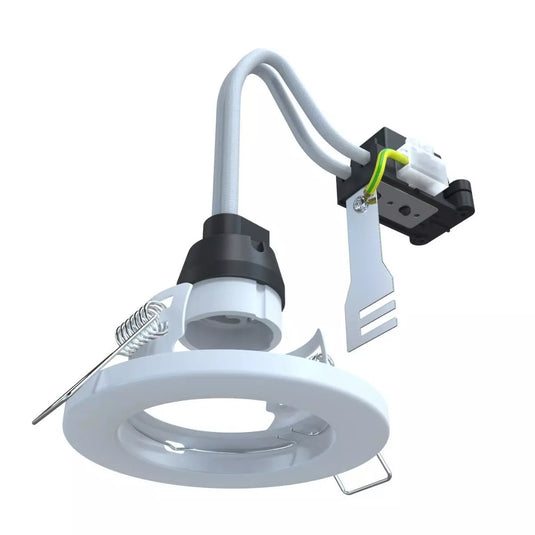
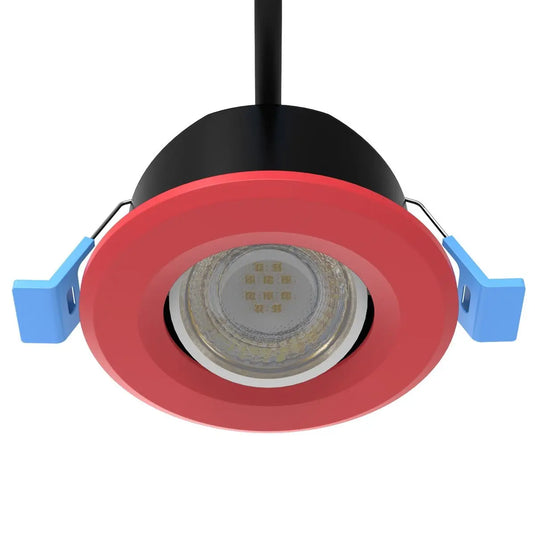
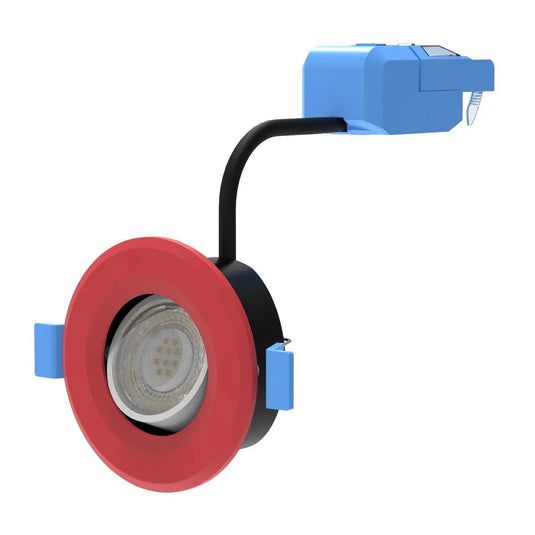
Knowing which type you need makes the whole buying process a lot easier. Adjustable ceiling spotlights have tiltable heads so you can angle the beam exactly where you want it. These work well over dining tables, kitchen islands, or anywhere you want to accent a specific area. Fixed ceiling spotlights sit flush and deliver general ambient light across a room. They're a cleaner look and slightly simpler to install.
Spotlight bars are surface-mounted fittings that hold two, three, four or more heads on a single backplate. No cutting into the ceiling, no recessing required. They're popular in kitchens, hallways and retail spaces where you need spread coverage without the hassle. If you want a fully flush, recessed finish instead, our LED downlights are the better fit for that job.
Kitchen Ceiling Spotlights
Kitchens need bright, focused task lighting, particularly over worktops, hobs and islands. For most kitchens, cool white (4000K) gives you a clean, crisp output that makes food prep easier. If your kitchen runs into a dining or living area and you want a warmer feel, warm white (3000K) keeps things a bit more relaxed. LED ceiling spotlights use a fraction of the energy that old halogen fittings did, so the running cost difference adds up quickly over a full kitchen installation.
Spotlight bars are a practical choice here because they let you spread light across a wider area from a single ceiling rose. For worktop illumination underneath wall units, our under cabinet lighting works alongside ceiling spotlights rather than instead of them. You can also read more ideas in our blog post on creative ways to light up your kitchen.
Bathroom Ceiling Spotlights
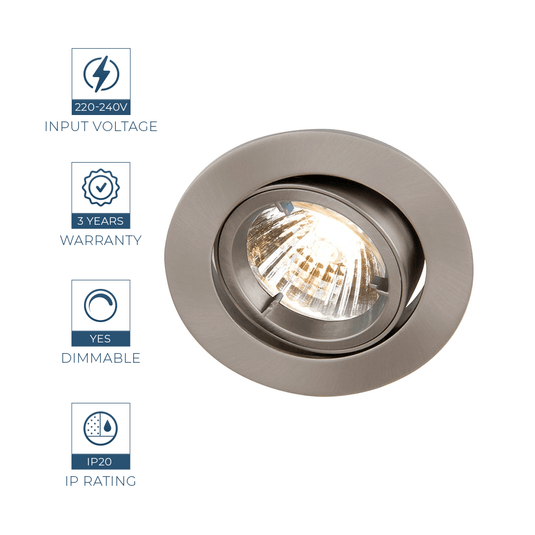
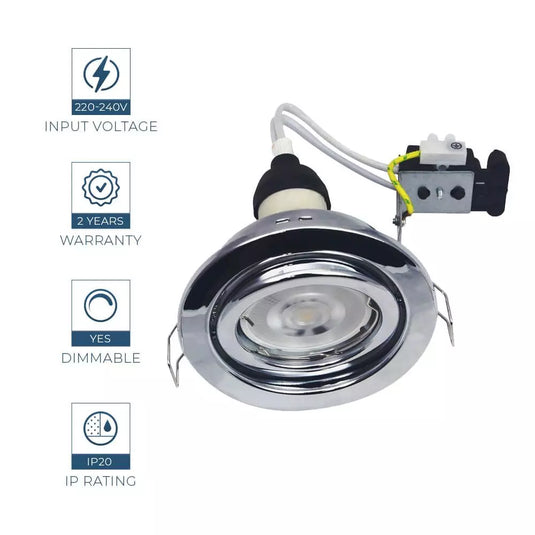
Bathrooms have specific requirements that other rooms don't. Any spotlight installed in a wet zone must carry a suitable IP rating. IP44 (protected against solid objects over 1mm and water splashes from any direction) is the minimum for most bathroom positions. IP65 (fully dust-tight and protected against water jets) gives you more flexibility and is required for zone 1 installations directly above a bath or shower.
Chrome and brushed nickel finishes tend to suit bathrooms best as they resist the effects of moisture and steam better than painted finishes. Our bathroom lights collection has everything rated for wet room use, and the guide on IP ratings for bathroom lights is worth a read before you buy. For a dedicated selection of recessed bathroom fittings, see our bathroom downlights.
Adjustable Ceiling Spotlights
If you need to redirect light after installation, adjustable ceiling spotlights are the practical choice. The heads tilt to let you put the beam precisely where you need it, which is useful in rooms where furniture moves around or where you want to highlight artwork or architectural features. They're also common in retail and commercial settings where display lighting needs to change with the stock.
Most of our adjustable fittings accept standard GU10 bulbs, so you can swap the lamp if your colour temperature requirements change. Our GU10 LED bulbs are sold separately if you need replacements or want to switch colour temperature. The guide on adjustable vs fixed LED downlights covers the key differences in more detail if you're weighing up which type to go for.
Buying Guide: What to Check Before You Order
Finish matters more than people think. Chrome, brushed chrome, matt black and white are the main options here. Matt black and brushed chrome tend to stand out as a design feature, while white and polished chrome sit more quietly in the ceiling. Match the finish to your switches and sockets where possible for a consistent look.
Colour temperature is worth getting right first time. Warm white (3000K) suits living rooms, bedrooms and anywhere you want a relaxed atmosphere. Cool white (4000K) is better for kitchens, bathrooms and workspaces. Daylight (6500K) is very bright and clinical and tends to suit commercial settings rather than domestic rooms.
Check the beam angle too. A narrow beam (around 25 to 36 degrees) concentrates light on a specific spot, which works well for accent lighting. A wider beam (60 degrees or more) gives broader coverage and suits general room lighting. For most domestic installations, a 36 to 45 degree beam hits the right balance between the two.
Frequently Asked Questions
What types of ceiling spotlights are there?
The main types are adjustable spotlights with tiltable heads, fixed spotlights for general ambient light, spotlight bars with multiple heads on a surface-mounted backplate, and recessed spotlights that sit flush into the ceiling. LED versions are available across all types and are now the standard choice for new installations.
Do ceiling spotlights need a specific IP rating for bathrooms?
Yes. For bathroom zone 1 (directly above a bath or shower), you need a minimum of IP65, which means the fitting is fully dust-tight and protected against water jets. For zone 2 (within 600mm of a bath or shower edge), IP44 is generally acceptable. Always check the zone before purchasing.
Can I use LED ceiling spotlights in a kitchen?
Yes, and they're one of the most practical choices for kitchens. LED spotlights deliver focused task lighting over worktops and islands, run significantly cheaper than halogen alternatives, and last far longer. Cool white (4000K) is the most popular colour temperature for kitchens. Spotlight bars work particularly well where you need to cover a wider run of worktop from a single fitting.
What colour temperature should I choose for ceiling spotlights?
Warm white (3000K) works best in living rooms and bedrooms where you want a relaxed feel. Cool white (4000K) suits kitchens, bathrooms and home offices where you need a clean, functional light. Daylight (6500K) is very cool and bright and is usually better suited to commercial or workshop environments than domestic rooms.
Are ceiling spotlights the same as LED downlights?
Not exactly. Ceiling spotlights typically refer to surface-mounted or adjustable fittings, including spotlight bars, that sit proud of the ceiling. LED downlights are recessed fittings that install flush into a cut-out hole in the ceiling for a clean, minimal look. Both can use GU10 bulbs and similar LED light sources, but the installation method and aesthetic are different.